

A sharp wedding look starts with the invitation’s dress code, then comes together through fit, color, and thoughtful details. Whether choosing a suit for the ceremony or coordinating a wedding party, a little planning helps create a polished look that feels right for the occasion.
Start with the dress code
Before choosing a color or style, check the invitation and wedding website for dress-code guidance. The venue and time of day can help fill in the picture, but they shouldn’t override a stated dress code. If it’s unclear, asking the couple or planner is better than guessing. Emily Post’s wedding guest attire guide also recommends using the invitation and time of day as key clues.
- Black tie: Choose a tuxedo, typically with a formal white shirt, bow tie, and polished dress shoes. A regular business suit is not a substitute when black tie is specified. Explore tuxedos and formal jackets.
- Black-tie optional: A tuxedo is appropriate; a dark, well-fitted suit with a white shirt and tie is another formal option.
- Formal: A dark navy, charcoal, or black suit is a dependable choice, paired with a dress shirt, tie, and polished shoes.
- Cocktail or semi-formal: A tailored suit works well. The setting and time of day can guide whether to choose a tie and how formal to make the rest of the look.
- No dress code listed: A navy or charcoal suit, white or pale-blue shirt, and tie offer a reliable starting point.
These are useful general guidelines, not rules for every tradition or celebration. Cultural customs, religious observances, and the couple’s preferences may call for different attire.
Choose a suit that fits the wedding, and the wearer
For many weddings, a two-piece suit is the most versatile option. It looks complete with a shirt and tie, and its jacket and trousers can be worn separately later. A three-piece suit adds formality and gives the groom another way to stand apart from the wedding party. For a black-tie celebration, choose a tuxedo instead of a standard suit.
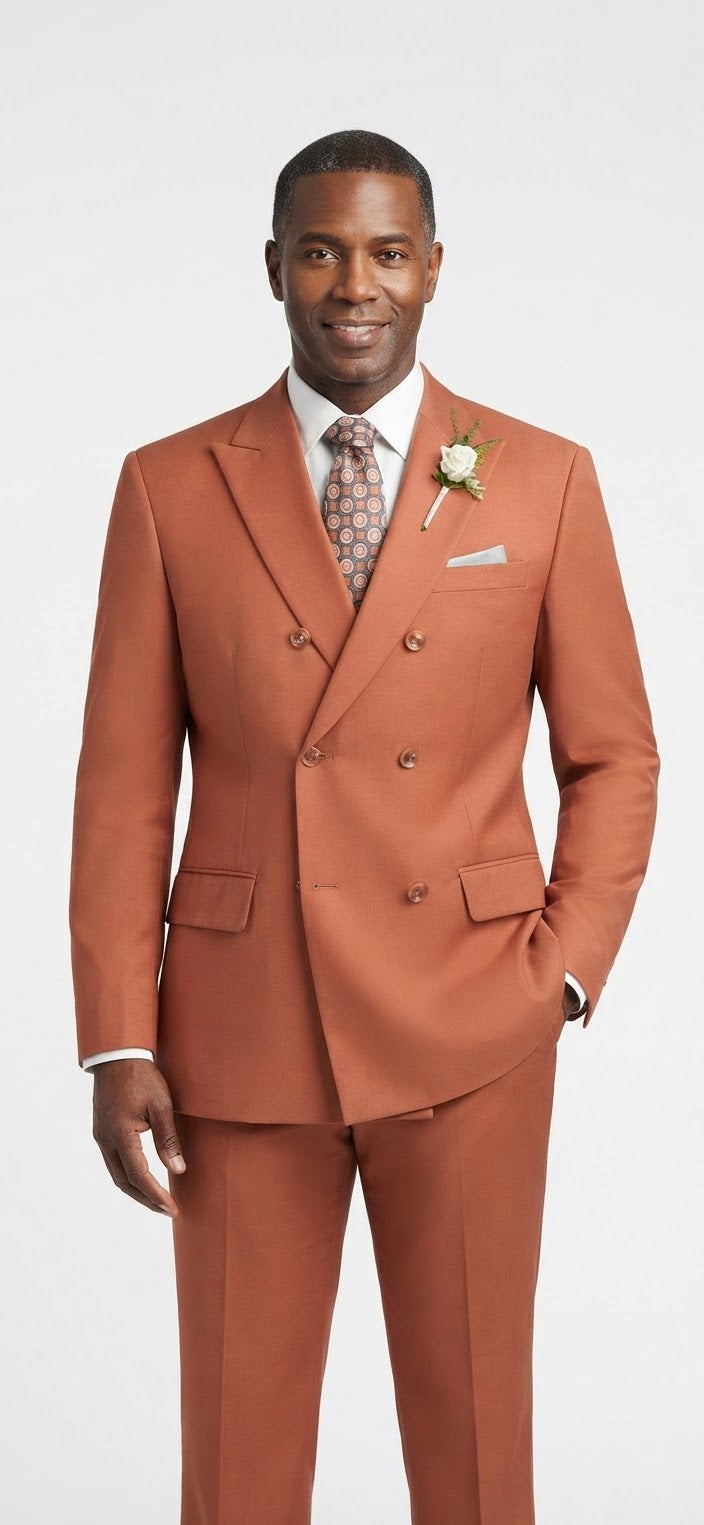
Color helps set the tone. Navy and charcoal feel classic and can be worn again for work, celebrations, and evening events. Lighter grey, tan, or blue can suit daytime and warm-weather weddings when the dress code allows a more relaxed look. A patterned or double-breasted suit makes a more distinctive statement; it is often easiest to style when the shirt and accessories are kept simple.
Black Tie Style’s Solid Suit Collection includes modern-fit and double-breasted options. For a straightforward two-piece look, see the Men’s Modern Fit 2 Pc Suit. For a more defined silhouette, the Solid Double Breasted Suit offers a different approach.
Consider season, setting, and comfort
A suit should look appropriate in photographs and feel comfortable through the ceremony, dinner, and dancing. Think about the expected weather and how much time will be spent outdoors.
For a warm-weather wedding, lighter colors and breathable-feeling fabrics can make the outfit more comfortable. Linen has a relaxed texture and naturally wrinkles, so it works best when that look suits the event. For cooler months, a darker shade or more substantial-looking fabric can feel more at home. If the fabric details are not listed, check the product information rather than assuming a suit will be suitable for a particular climate.
The venue offers helpful context: a garden or daytime event may welcome softer colors, while a formal evening celebration often calls for a darker, more structured look. Still, the invitation comes first. Proper Cloth’s guide to wedding dress codes offers a useful overview of how common dress codes shape men’s attire.
Make fit the priority
Fit is what makes a suit look considered. The jacket should sit smoothly at the shoulders, close comfortably when buttoned, and lie flat without pulling or gaping. Sleeves should show a small amount of shirt cuff. Trousers should stay comfortably at the waist and allow easy movement when sitting, walking, and dancing.
A clean silhouette is more important than an extremely slim cut. If a suit fits well through the shoulders and chest, a tailor may be able to refine details such as sleeve length or trouser hem. But major fit problems, especially in the shoulders, can be difficult to correct. Try the full outfit together before the wedding, including the shirt and shoes, so adjustments can be made with everything in place.
Build the look with a shirt, tie, and finishing touches
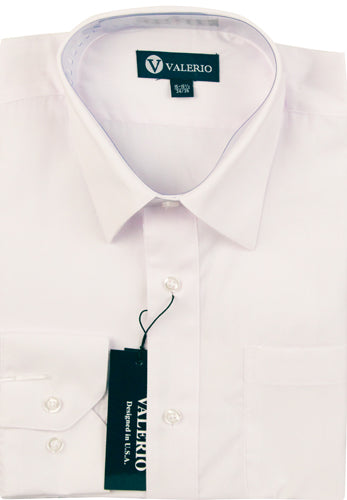
A white dress shirt is a versatile base for formal and classic wedding outfits. Pale blue can bring a softer touch to a daytime suit. For a black-tie look, use a formal shirt suited to a tuxedo. Browse dress shirts for options that pair with suits and formalwear.
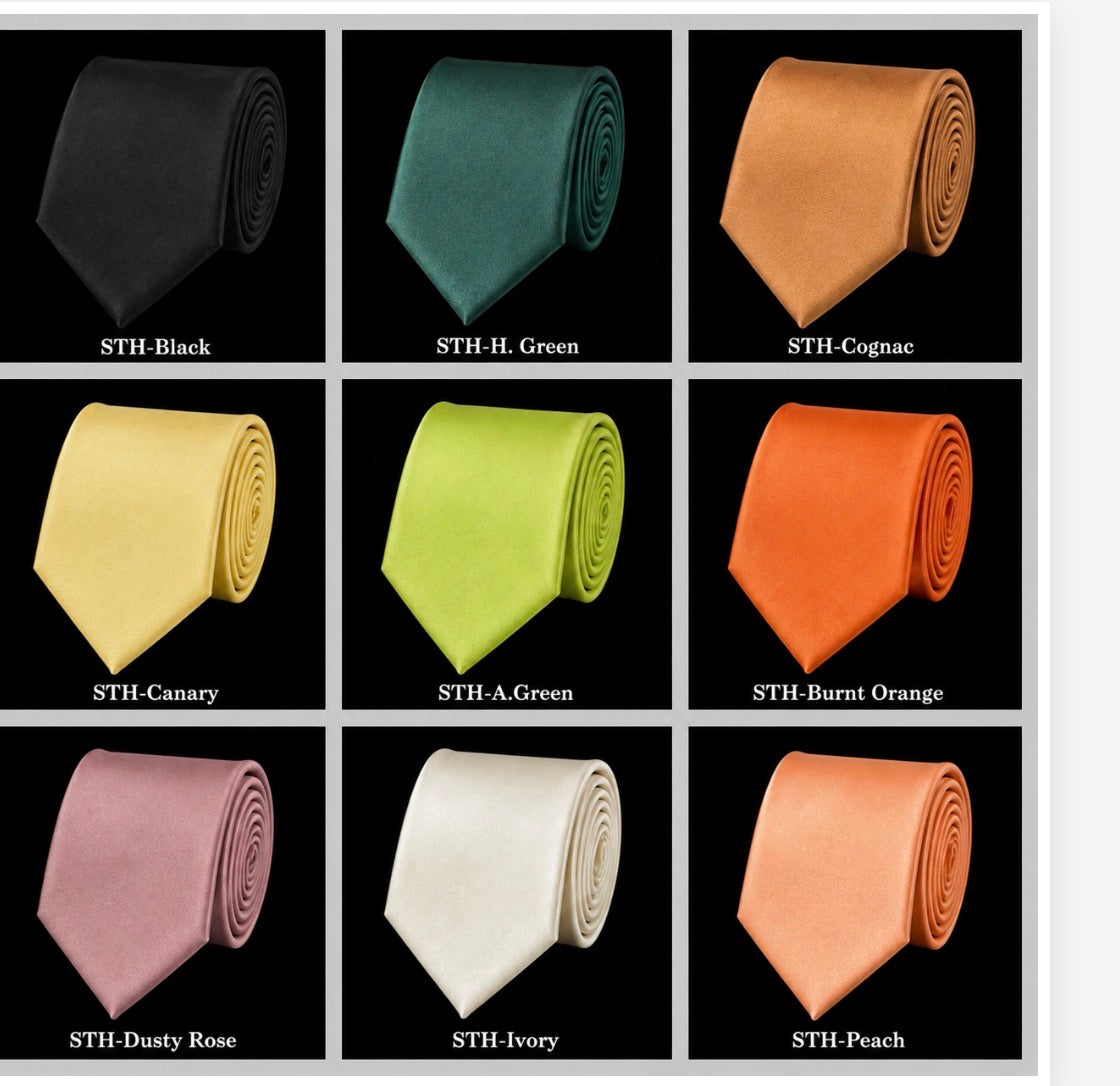
For a suit wedding look, choose a tie that complements the suit and the event palette without matching every detail exactly. A pocket square can pick up a color from the tie, flowers, or wedding-party attire. For black tie, a bow tie is the traditional choice. The accessories collection includes ties, bow ties, and pocket squares.
Shoes should match the formality of the outfit. Polished black dress shoes suit many dark, formal looks, while brown leather can pair naturally with navy, grey, or lighter daytime tailoring. Keep the rest of the accessories composed so one detail (such as a patterned jacket, colorful tie, or statement footwear) can stand out without competing with the whole outfit.
Coordinate the wedding party with a clear plan
A cohesive wedding party does not have to look identical from head to toe. Start with a shared element, such as a suit color, shirt, or tie palette, then decide how the groom’s outfit will differ. A waistcoat, a distinct tie, or a subtly different shade can create a clear focal point without breaking the overall look.
Confirm the groom’s outfit before choosing the groomsmen’s details. Share specific guidance on suit color, shirt, shoes, and accessories, especially if members are sourcing their own clothing. When everyone wears the same color, a similar level of formality helps the group look coordinated in photographs.
Plan ahead and do a final check
Leave enough time to find the suit, arrange any tailoring, and try on the complete look before the event. The schedule will depend on where the suit is purchased and whether alterations are needed, so check timelines early. Before the wedding, make sure the jacket and trousers still fit comfortably and that shoes have been worn in.
A final checklist can help:
- Confirm the dress code and any guidance from the couple.
- Choose a suit or tuxedo that fits the formality, season, and setting.
- Try the complete outfit together and arrange needed alterations.
- Coordinate the wedding party around a few shared details.
- Check shirt, tie or bow tie, pocket square, shoes, and socks.
The strongest wedding outfit balances occasion, comfort, and personal style. A well-fitting suit, considered color, and a few coordinated details can carry the look from the ceremony to the final dance, and stay useful long after the wedding day.