

A well-chosen black tuxedo makes dressing for a formal event simpler: the main pieces are classic, and the details bring the look together. Avoid these common missteps to feel comfortable, coordinated, and ready for the occasion.
1. Wearing a dark business suit instead of a tuxedo
Black and formal are not the same thing. A business suit, even a sharp black one, usually lacks the details that distinguish a tuxedo, such as satin- or grosgrain-faced lapels and matching trim on the trousers. For a traditional black-tie invitation, those details help the outfit feel appropriate rather than like officewear.
Peak lapels and shawl collars are familiar tuxedo choices. A black dinner jacket is a dependable option; midnight blue can also suit a traditional formal look. The jacket and trousers should be made to work together, rather than combining a tuxedo jacket with regular suit trousers.
For a classic starting point, browse the Black Tie Style tuxedo collection. It also includes more distinctive styles for events that welcome a fashion-forward interpretation. When the invitation specifies a theme or creative black tie, follow its direction.

2. Choosing a fit that restricts movement
A tuxedo should look polished while still feeling comfortable through dinner, photos, and a full evening of standing or dancing. A jacket that pulls across the chest or strains at the button can feel restrictive. Overlong sleeves, sloping shoulders, and trousers that bunch heavily at the shoes can also distract from the overall look.
Check the fit while standing and sitting. The shoulders should sit close to your natural shoulder line, the jacket should fasten without pulling, and the trousers should fall cleanly without pooling. A small amount of shirt cuff showing at the sleeve is a useful guide, but the best result depends on the garment and your proportions.
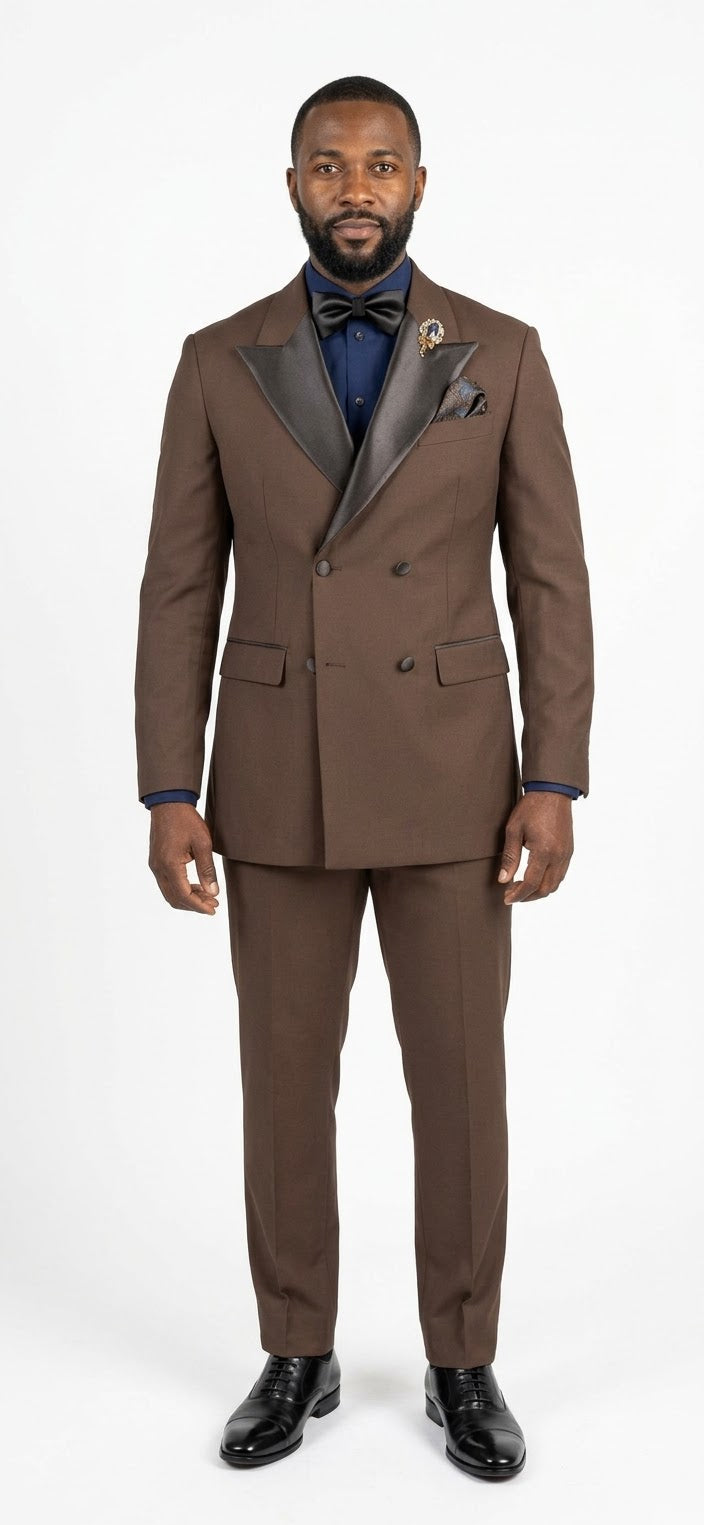
Allow time for alterations if needed. A small adjustment to trouser length or sleeve length can make a ready-to-wear tuxedo feel more considered. For example, Black Tie Style’s Double Breasted Tuxedo offers a distinctive silhouette; a comfortable fit matters just as much as its design.
3. Reaching for a long necktie
For a traditional black-tie dress code, the expected tie is a black bow tie, not the long necktie commonly worn with a business suit. A bow tie keeps the look in step with the tuxedo and frames the shirt and lapels neatly.
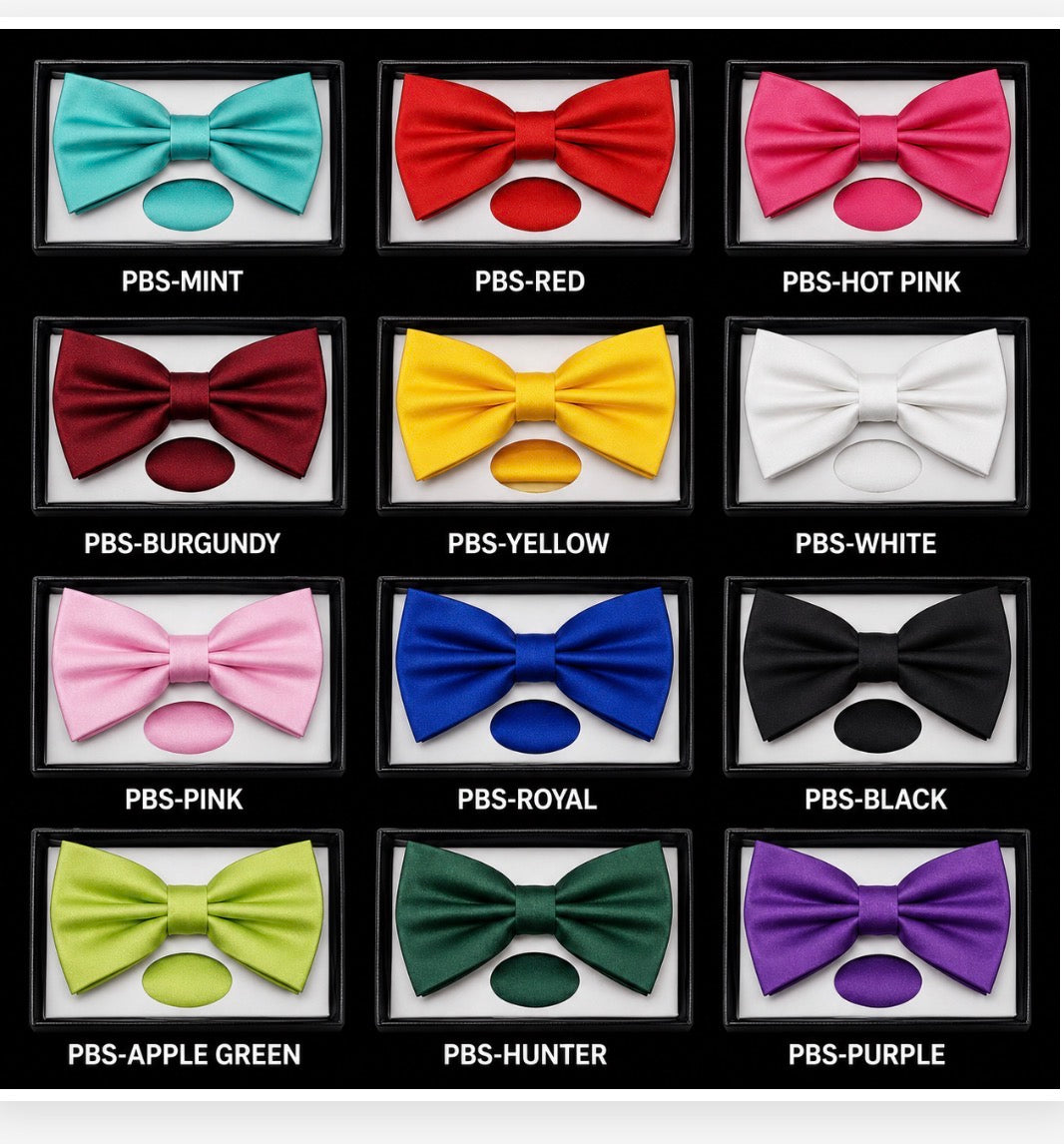
A self-tied bow tie has a relaxed, personal finish, while a pre-tied option can be a convenient choice. Whichever style you choose, aim for a proportion that suits your face and jacket. A bow tie that is too large or too small can throw off the balance.
A patterned or brightly colored tie may be appropriate for a creative dress code, but it is a departure from classic black tie. When in doubt, keep the bow tie black and let the tuxedo’s cut or texture provide the interest. The accessories collection includes bow ties and other finishing touches.

4. Pairing the tuxedo with the wrong shirt
A colorful or casual shirt can interrupt the clean contrast that makes a black tuxedo work. A crisp white shirt is the most reliable pairing for a traditional black-tie event. Tuxedo shirts may have a bib or pleated front, and styles with French cuffs can accommodate cufflinks for a formal finish.
Keep the collar comfortable beneath the bow tie and make sure the shirt stays neatly tucked in. If the shirt has French cuffs, choose cufflinks that suit the outfit rather than competing with it. A simple black-and-white combination is an easy foundation; more expressive shirt choices are best reserved for invitations that invite them.
Explore Black Tie Style’s tuxedo shirts for formal options, or browse the wider dress shirt collection.
5. Wearing a belt with tuxedo trousers
A visible belt can break the clean line of a tuxedo, particularly when the trousers have a formal waistband. Many tuxedo trousers are designed to be worn without one. If the waist needs extra support, braces, also known as suspenders, are a useful alternative when the trousers are designed for them.
A cummerbund or a matching waistcoat can complete the waist, but they serve as alternatives: wearing both together adds unnecessary bulk. The waistcoat can be a natural choice with a three-piece tuxedo. A cummerbund can offer a simple, traditional finish with a single-breasted jacket. Either way, check that the waistband remains covered when the jacket opens or when you sit.
6. Choosing shoes that feel too casual
The shoes should match the formality of the tuxedo. For a traditional black-tie look, polished black oxfords are a reliable choice; patent-leather formal shoes are another option. Keep them clean and in good condition, and choose black dress socks so the transition from trouser to shoe looks continuous.
Chunky soles, casual sneakers, and heavily brogued shoes can make a tuxedo feel less formal. If a modern or more expressive shoe is part of the event’s dress code, it can work, but it changes the character of the outfit. When the invitation simply says “black tie,” understated black shoes are the safer pairing.
7. Adding too many statement details
A tuxedo already has a strong visual foundation. Several bold accessories competing for attention can make the look feel busy, especially alongside a textured or patterned jacket. Choose one focal point, then keep the rest of the details considered and simple.
Cufflinks, a pocket square, and a lapel pin can all be appropriate, but they do not need to appear together. A neatly folded white pocket square is an easy companion to a classic tuxedo. If the jacket is already distinctive, a black bow tie and understated accessories give its texture room to stand out.
For a more expressive event look, Black Tie Style offers options such as the Jacquard Slim Fit Tuxedo with Matching Bowtie. Its patterned finish brings visual interest, so keeping the other pieces coordinated helps the outfit feel intentional.
A quick black-tie check before you go
A few final checks can help the outfit feel complete: the jacket and trousers coordinate, the shirt is crisp, the bow tie is secure, and the shoes are polished. Make sure the trousers sit neatly at the waist and that nothing pulls when you move.
For additional guidance, GQ’s overview of black-tie attire covers the classic elements and ways to interpret them. Traditional conventions can vary, and invitations may set their own expectations, so the dress code is always the best guide.
A well-balanced black tuxedo does not need complicated styling. Start with the right formal pieces, check the fit, and keep the finishing details in proportion. The result works for weddings, galas, proms, and other occasions where a polished look matters.